lunedì 22 marzo 2010

Children of a lesser Low

( not to foreclose the rights of freedom and autonomy of the disabled person )


Salvatore Cimmino tra Luca Baldini e Filippo Tassara. Muggia 27 settembre 2009


In our country, the model of welfare tends to reduce any intervention by the State to a minimum, delegating the response to the problems of the vulnerable to spontaneous expressions of charity.
This model has produced “consolational volunteers”. Volunteers, but with a precise aim.
Volunteerism, created to help the weak, the emarginated, risks becoming functional to that system which on one side continues to produce new vulnerable, new emarginated people, and on the other sustains and helps those who strive to alleviate their suffering.
Nobody denies that a caring gesture towards a person who needs help is a worthy action. However, if these gestures and free donations innest a process of structural changes to the lifestyle of those who suffer, then the action of volonteerism needs to take some fundamental principles into account: strive to take action which will remove the cause of emargination, attention to who benefits from the services, refusing delegation and seeking new models of life. Currently it’s impossible not to notice that the huge majority of volunteerism is oriented towards actions of compassionate support of people and families in difficulty, without analysing the cause of their needs.
Until now, most political forces, sindacates, and social services haven’t intervened sufficiently in defence of the needs and rights of those who, unable to act themselves, have no possibility of defending their own vital interests: the need for structures for rehabilitation, the need for care if they are ill, sufficient economic resources for assistence.
These are people with physical and mental disabilities who can’t defend themselves.
Don’t misunderstand me, the position of political parties and unions is very different when considering the affermation and safeguard of the rights, which are of course of primary importance, for the unemployed, of people who can express their needs and act through forms of protest and proposal.
I hope it’s clear that I consider the action of policical and social forces and unions of primary importance. They have fought and fight to free from need the subaltern social groups, but they can’t help but reveal that very rarely and only occasionally, the same organizations have undertaken concrete initiatives towards people who today and presumibly in the future are not and will not be able to take part in effective initiatives aimed at expressing their needs and rights, because of their psychophysical condition.
Also, it’s worrying that in the culture of many political and social organizations there is no analysis of the conditions of life of the people who are “last” in society and so efforts to remove the causes of their emargination are lacking.
The undeniable proof of this sad reality was the approval a few years ago of law n. 328/2000 to reform assistance and social services, passed unanimously both in the Chamber and in the Senate in which fundamental rights pertaining to the weakest were cancelled.
The presence of the current huge cultural gaps is demonstrated by positive opinions which have emerged regarding this law by experts in the social sector.
Many of them maintain that in this law there are rights which in effect don’t exist.
Another first for law 328/2000, which is very serious, regards the removal of the exclusive destination to people in need of the patrimony of the IPAB (Public Institutions for Assistance and Charity) . Instead of creating new resources, given the poor quality of structures and services, many have been removed without opposition or reserve by those who maintain, when they are in the spotlight, that they are on the side of the needy.
Finally, another worrying aspect to reveal, is the passive acceptance of loading families with the costs of health and social assistance, so that care and or assistence of people who are not able to help themselves often determines conditions of poverty and in many cases misery.
In my opionion, the political forces, sindacates and voluntary organizations who want to help disabled people should recognize that the improval in their lifestyle can only happen if these citizens are given “Fundamental Rights” and put into act all the necessary initiatives so that these rights are obtained.
A right which is subordinate to resources is a no-right!
The subjective right is different from simple interest or simple expectance, because it it fundamental so the means must be provided to guarantee that it happens. In conclusion, either there is a fundamental right to specific services, or it becomes mere charity.


Yours Faithfully


Salvatore Cimmino

martedì 9 marzo 2010

Io ho un sogno


Nel mondo ci sono 600 milioni di persone disabili, cifra che rappresenta il 10% della popolazione globale e il 15 % della popolazione europea.
In Italia ci sono 5 milioni di persone disabili, di cui 3 milioni, tra i 6 e i 75 anni, che convivono con difficoltà motorie talmente gravi da comportare il pressoché totale sconfinamento.
Oltre 2 milioni di persone sono invece colpite da ritardo mentale, e fra esse diverse decine di migliaia soffrono di forme di tipo grave e severo.
La situazione di handicap, sia esso fisico-motorio o mentale, comporta uno sconfinamento più o meno totale, con una diretta influenza sulle capacità e possibilità di apprendimento, comunicazione, autoaccudimento, interazione sociale, gioco, lavoro e possibilità di evitare i pericoli.
In una parola, esistono numerosi individui che, di fatto, sono costretti ad assistere passivamente alla vita, spettatori e non più (o non mai) attori.
Attraverso la tecnologia odierna oggi è possibile pianificare ed attuare interventi mirati tali da migliorare drasticamente le condizioni di vita di una persona disabile.
Ecco perché è urgente intervenire quanto prima sui LEA, ( Livelli Esistenziali di Assistenza ), e sul Nomenclatore Tariffario, affinché i progressi ottenuti dalla ricerca possano contribuire a restituire dignità e qualità di vita migliore alle persone disabili.
Io ho un sogno, ed è quello di rendere fruibile questa tecnologia a tutti quelli che ne hanno bisogno.
Io ho un sogno, ed è quello che una persona disabile non venga più definita un’ammalata.
Io ho un sogno, ed è quello di eliminare, nel nostro paese, migliaia di sciacalli e medici compiacenti che si appropriano indebitamente dei diritti delle persone disabili, ledendo e danneggiando la società.
Io ho un sogno, che un giorno il mio paese sarà culturalmente e psicologicamente maturo dal punto di vista dell’ accoglienza e dell’ integrazione.
Io ho un sogno, che un giorno nel mio paese non ci saranno più barriere per le persone disabili:
il lavoro, la dignità, la libertà, l’ autonomia, i giochi, l’ allegria, non restino nè un desiderio nè
un’aspirazione ma una realtà.
Io ho un sogno, che un giorno nel mio paese si possa condividere il progresso e il benessere, oggi!!!
Come voi ben sapete, non smetterò di nuotare fino a quando il mio sogno non diverrà realtà.

Con Affetto

Salvatore Cimmino

I have a dream


There are 600 millions of disabled people representing 10% of the global world population and
15 % of the European population.
In Italy there are 5 million disabled persons out of which 3million, aged between 6 and 75, are affected by such a high mobility problems which leads them to an almost total isolation.
More than 2 million people are affected of mental problems and thousands of them suffer of very severe forms of this disorder.
Such handicaps whether physical mobility or mental illness, imply an almost total isolation of the disabled person affecting his/her capabilities and possibilities to learn, to communicate, to take care of oneself, to socially interact, to play to work, to avoid danger.
In one word , there are several individuals that are passively watching at life: spectators and not any longer (or never been ) actors.
Technology to-day allows to plan and to treat disabled persons helping them to significantly improve their life conditions.
That’s way we need to act immediately on LEAs, (Existential Levels of Assistance) and on the Tariff Nomenclature, so that all the results achieved through Research Activities may help disabled individuals in regaining dignity and a better life quality.
I have a dream: that is to allow anyone who’s in need of, to benefit from this technology.
I have a dream: that is each single disabled individual won’t be referred to as an ill person.
I have a dream: that is to get rid of thousands of jackals and accommodating doctors who unlawfully grab disabled persons’ rights, negatively impacting and damaging the society.
I have a dream: that is one day my Country will be culturally and psychologically ready to host and integrate disabled individuals.
I have a dream: that is one day in my Country there won’t be any more barriers to disabled individuals: work , dignity, freedom, independence, games, happiness should not be considered as wishes or aspirations but as reality.
I have a dream: that is one day in my Country we will all share progress and welfare, now!!!

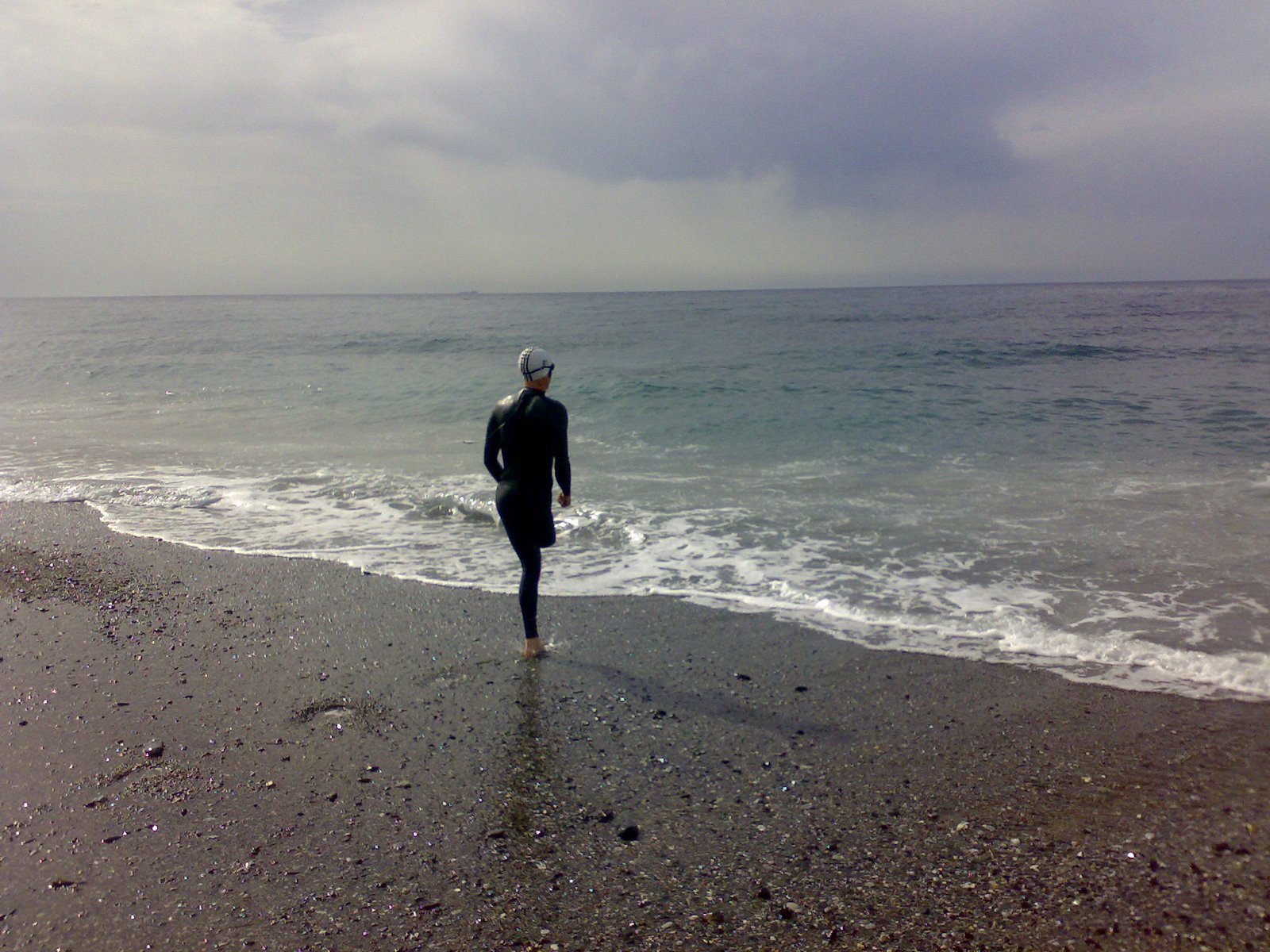
As you all well know, I shall not stop from swimming until my dream will become true.

Yours Faithfully
Salvatore Cimmino


giovedì 18 febbraio 2010

Grazie Presidente


Il Presidente Giorgio Napolitano visita lo Yad Vashem Holocaust Memorial's Hall

Egregio Presidente,

desidero ringraziarLa per avermi fatto pervenire la medaglia predisposta per la traversata a nuoto del lago di Tiberiade, da Kefar Nahum a Ein Gev, del prossimo 7 maggio 2010, relativa al progetto “ A nuoto nei mari del globo “.


Gentile Presidente, Le sono profondamente grato per l’ onore che, come massima istituzione italiana ha voluto conferirni. Voglio dedicare questa medaglia al Circolo Canottieri Aniene e alla Fondazione Roma che, da sempre al mio fianco, sostengono con forza il progetto, rendendo possibile tutto quello che finora ho potuto realizzare.
Oggi la disabilità rappresenta un ostacolo insidioso nella vita di tutti i giorni: le limitazioni che ne conseguono compromettono quelle funzioni che la gente considera normali. Patologie come malattie ereditarie o congenite, un trauma, possono causare queste difficoltà. I giovani, per esempio, possono subire a causa delle guerre, di incidenti stradali, traumi tali da costringerli sulla carrozzina per il resto della loro vita; molte persone ancora attive possono cadere vittima di incidenti sul lavoro, di malattie neurologiche che ne limitano la mobilità e le facoltà cognitive.


Un disabile ha diritto di ricevere massimo rispetto e considerazione, alla stessa dignità di tutti gli esseri umani.
Purtroppo la nostra società non favorisce, non incoraggia e non agevola l’ integrazione, nel suo seno, delle persone disabili: pregiudizi, limitazioni strutturali, barriere architettoniche, impediscono un ‘ esistenza dignitosa. Il nostro sistema limita la nostra visibilità e la nostra mobilità. Le barriere più ostinate, i muri più solidi sono quelli di carattere psicologico e mentale che ci precludono la condivisione del mondo, quindi dello stesso destino.
Le persone disabili sono in grado di offrire moltissimo, non solo in relazioni di competenza professionale, ma anche e soprattutto di umanità, di genuinità, di calore umano.
Credo che queste sensazioni possano contribuire al recupero da parte dei disabili - di qualsiasi età, ma specialmente dei più giovani - di quelle potenzialità residue che altrimenti non troverebbero il modo di esprimersi, aiutandoli ad acquisire una maggiore consapevolezza del proprio corpo e, conseguentemente, rafforzandoli dal punto di vista emotivo.
Ho capito che per noi disabili è importante “stare” nel mondo, cercare di incidere sui processi di socializzazione e integrazione, testimoniare il valore della diversità, lottare per affermare i propri diritti.
Oggi, la tecnologia ha superato le più rosee previsioni e, nel campo dei presidi protesici, i risultati sono avanzatissimi: i nuovi dipositivi protesici consentono una qualità di vita inimmaginabile fino a qualche anno fa, riducendo di molto i problemi legati a una postura e a una deambulazione scorrette.
Purtroppo, in Italia, a differenza di quanto accade in altri paesi europei, questi strumenti non vengono forniti dal servizio sanitario nazionale se non a costo di lunghi e complicati percorsi burocratici.
Il Nomenclatore tariffario, strumento che regola la fornitura dei presidi protesici, non viene aggiornato dal 1992 e dunque non tiene conto dei progressi fondamentali ottenuti dalla ricerca.
Si tratta di un caso di vera miopia culturale da parte di un paese come l’Italia che invece, in ambito normativo, vanta leggi avanzatissime e, soprattutto a livello di istituzioni locali, spesso pone grande attenzione all’integrazione e all’assistenza dei disabili.
Da qui è partita la mia “battaglia”, consentendomi di vivere un’esperienza unica e irripetibile soprattutto dal punto di vista umano:
E questa consapevolezza l’ho avuta piena nel corso di questi anni quando ho conosciuto, persone straordinarie che da sempre si occupano con dedizione, passione e competenza di integrazione dei disabili attraverso lo sport.
Da loro ho ricevuto una grande lezione e grazie a loro oggi mi sento di poter contribuire appieno alla realizzazione di un mondo migliore, un mondo senza barriere capace di valorizzare al massimo le potenzialità di ognuno.
Carissimo Presidente, tale inatteso e graditissimo presente mi sprona a continuare nel mio impegno con la massima concentrazione e dedizione, incoraggiato anche dalla volontà di servire la nazione.
Carissimo Presidente, con tale spirito Le invio i miei ringraziamenti e i miei più affettuosi saluti.

Salvatore Cimmino

Thank you Mr. President


Italian President Giorgio Napolitano visits the Yad Vashem Holocaust Memorial's Hall


Dear Mr. President,

I am writing to thank you for having awarded me a medal for the swim across Lake Tiberiade, from Kefar Nahum to Ein Gev next May 7th 2010, as part of the project “Swimming around the globe”
Mr President, I am profoundly grateful for the honour that the highest Italian institution has conferred to me together with Circolo Canottieri Aniene and the Fondazione Roma who have sustained me throughout this project, making possible everything that has been done and my contribution so far to the world of the disabled.


Today, disability is an insidious obstacle in daily life: the limitations which derive from being disabled compromise those functions which most people consider normal. Pathologies such as hereditary or congenital illnesses, or an accident, can cause these difficulties. Young people at war, in road accidents, can be confined to a wheelchair for the rest of their lives; may people who are still active can be victims of accidents at work, neurological illnesses which limit their mobility and cognitive faculties.
A disabled person has the same right to respect, consideration and dignity as any other human being.


Sadly, our society doesn’t favour, encourage or facilitate the integration of disabled people: prejudice, structural limitations and architectural barriers prevent a dignified existence. Our system limits our visibility and our mobility. The most obstinate barriers, the most solid walls are those which are psychological and mental, and make it impossible to share the world and the same destiny as others.
Disabled people are able to offer a great deal, not only as regards professional competence, but also as regards humanity, genuine feelings and human warmth.
I think that these sensations can contribute in part to the recovery by disabled people – of any age, but in particular for the young – of those residual potentialities which otherwise wouldn’t have found any means of expression, and will help them to acquire a greater awareness of their own body and consequently strengthen them emotionally.
I realize that for the disabled, it’s important to “be” in the world, to try to make a difference to processes of socialisation and integration, to testify to the value of diversity and fight for our own rights.
Today, technology has exceeded the most ambitious previsions and in the field of prosthetics, the results are incredibly advanced. New prosthetics allow a quality of life which was impossible to imagine until a few years ago, reducing dramatically the problems linked to bad posture and incorrect walking.
Unfortunately in Italy, unlike other European countries, these instruments are not provided by the National health service, unless you are able to conduct long and complicated bureaucratic procedures.
The instrument which regulates the provision of prosthetics hasn’t been updated since 1992 and so doesn’t take into account fundamental progress obtained through research.
It’s a case of cultural short sightedness by a country like Italy which, as far as regulations go, has very advanced laws and at the level of local institutions often gives a great deal of attention to assistance of the disabled.
This is where my “battle” began, allowing me to live a unique and unrepeatable experience, above all from a human point of view.
This awareness came to me over the years when I have met extraordinary people who dedicate time, passion and competence to the integration of the disabled through sport.
I have learned important lessons from them and thanks to them I feel I can contribute to the realization of a better world, a world without barriers which can bring out the maximum potential in each of us.
Dear Mr. President, your unexpected and very welcome gift pushes me to continue to strive with the maximum concentration and dedication, encouraged by the will to serve our nation.
In this spirit, I send you my thanks and my most respectful greetings.

Salvatore Cimmino