mercoledì 27 luglio 2011


martedì 26 luglio 2011
Cosa vuol dire avere Fede

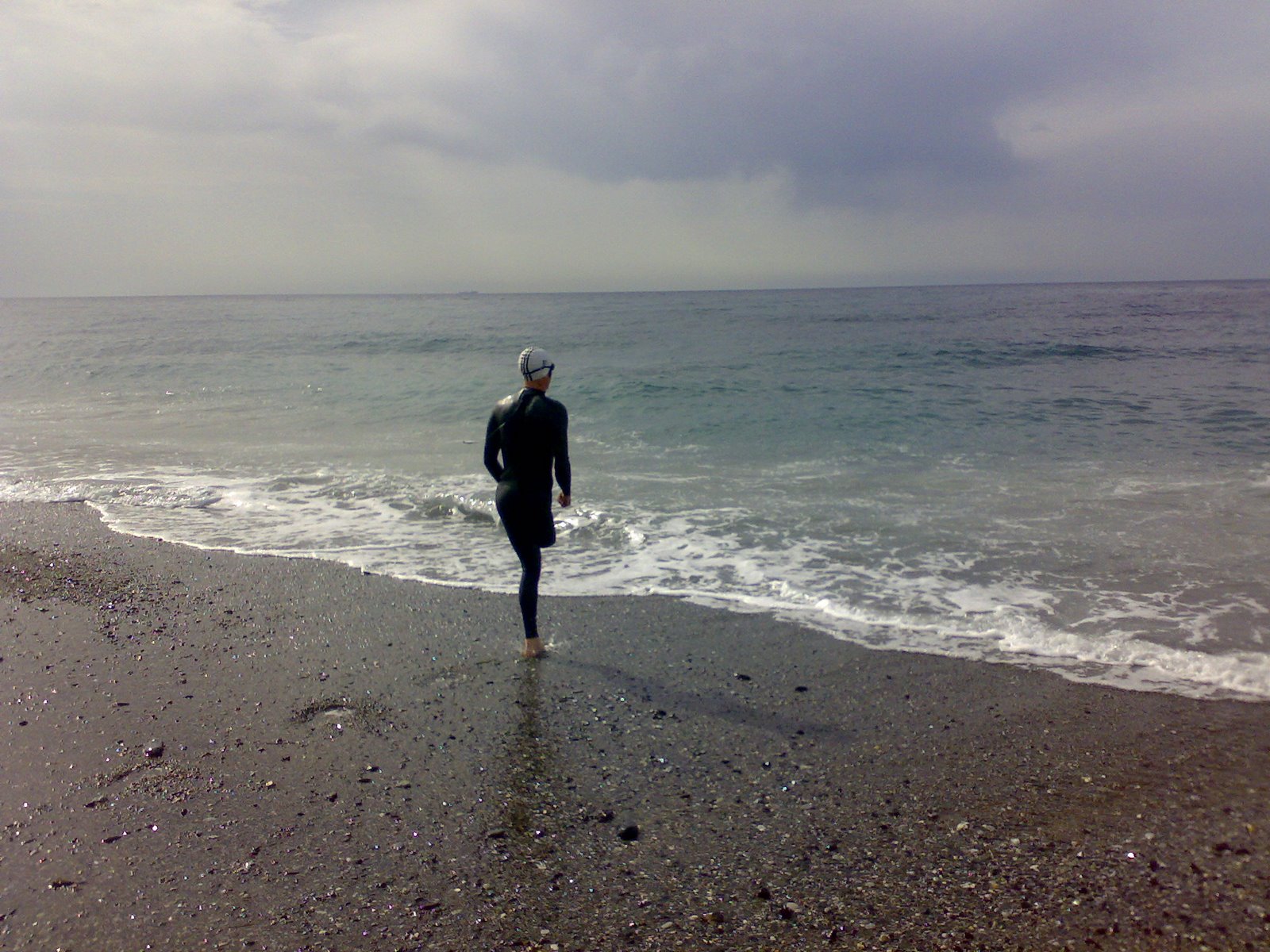
Foto di Peter Dench.
Un occasione di riscatto e un' opportunità per vivere dopo tanta sofferenza.
Esistono almeno due tipi di fede: una è la fede religiosa, ma non intendo esaminare il credo religioso perché questi è sacro e degno di rispetto indipendentemente dal fatto che lo si condivida o meno; l’altra è la fede in se stessi, nei propri ideali e nella sacralità della vita. Ecco, questa è la fede di cui voglio parlarvi.
Fede: dal latino fidem. L’atto del credere.
Fede vuol dire saper amare chi non può amarti. Fede vuol dire saper accettare chi non sa accettarti. Fede vuol dire dimenticare per non essere dimenticato. Fede vuol dire guardarsi nel cuore ogni giorno. Se qualcuno sorride mentre provi a costruirti un mondo di fede non dare retta alle sue parole: sii fedele con te stesso.
Credere in te stesso vuol dire essere convinto della verità che tu stesso rappresenti. Nessuno può sapere quanta verità c’è in te, più di te stesso. Nessuno può cambiare quello che provi, quello che pensi, se tu non lo vuoi.
Credere in te stesso significa avere fiducia in quello che fai, in quello che dici, in quello che sogni. Avere fiducia è amare.
Più tu avrai fiducia in ciò che fai, più crescerà in te la voglia di fare bene e meglio.
Credere in te stesso è ritenere possibile che quello che fai è la cosa giusta.
Credere in te stesso significa avere fede in quello che provi. La fede è qualcosa che nasce dal cuore. Nessuno può regalarti la fede. Soltanto tu puoi costruirtene una a tua misura. La fede va oltre i risultati; va al di là degli obiettivi; non conosce limiti e non si ferma davanti alle paure. Avere fede è di per sé un miracolo che va custodito, protetto, perfezionato.
Un uomo che ha fede in quel che fa riesce a oltrepassare i limiti delle difficoltà; quando c’è fede anche i momenti avversi diventeranno piccole problematiche da superare con pazienza.
Khalil Gibran, poeta, pittore e filosofo libanese, diceva: “La fede è conoscenza del cuore e oltrepassa il potere della dimostrazione.”
Negli ultimi anni ho imparato ad avere fede, a credere in un progetto che è divenuto nel tempo la pietra miliare della mia vita e movente del mio credo: un mondo senza barriere e senza frontiere, dove le persone con disabilità non conosceranno ostacoli alla propria crescita, alla propria libertà, e alla propria dignità.
Il nuoto, il nuoto di fondo in particolare, una disciplina che della passione e del sacrificio fa un fondamento portante, è il protagonista assoluto di questo progetto: tento di costruire un ponte che unisca il mondo delle persone disabili al mondo delle persone cosiddette “normali”.
I prossimi ponti che mi appresto a costruire saranno ancora più ambiziosi di quelli precedenti, (il Canale della Manica, lo Stretto di Gibilterra, lo Stretto di Öresund, il Mare di Galilea, Santa Fè Coronda nel Paranà, Pedder Bay in Canada, Scilla Cariddi ), lo stretto di Cook, lago di Kivu, da Kiumba isola di Idwj a Goma, Moreton Bay in Australia, per concludere il giro del mondo a New York per disegnare a nuoto il periplo dell’ Isola di Manhattan.
Certamente saranno dei ponti molto dispendiosi, ma io credo nelle persone, credo nel loro amore per la vita!
Questo progetto vuole sfiorare con mano leggera le storie di persone che vivono il disagio della disabilità, le difficoltà dell’assistenza, l’impegno totale delle famiglie, la speranza di un evento risolutivo o almeno migliorativo delle loro condizioni di vita.
Carissimi Compagni di viaggio, buone vacanze.
Salvatore Cimmino
What Faith means

Photo by Peter Dench.
An opportunity for redemption and a 'chance to live after so much suffering.
There are at least two kinds of faith: one is religious faith, but I will not examine religious beliefs because they are sacred and worthy of respect regardless of whether or not one shares them or not; and the other is faith in oneself, in one’s ideals and in the sanctity of life. This is the faith I wish to talk about.
Faith: from Latin fidem. The act of believing.
Faith means knowing how to love those who cannot love you. Faith means knowing how to accept people who cannot accept you. Faith means to forget in order not to be forgotten. Faith means to look in one’s heart every day. If people smile as you try to build a world of faith, do not bother their words: be faithful to yourself.
Believing in yourself means to be convinced of the truth that you represent. No one but yourself can know how much truth there is inside you. No one can change what you feel, what you think, if you do not want so.
Believing in yourself means trusting what you do, say, and dream. Having faith means to love.
The more you believe in what you do, the more the wish to do better will rise.
Believing in yourself means to believe that what you are doing is the right thing.
Believing in yourself means to trust your feelings. Faith comes from the heart. Nobody can give you faith. Only you can build one your size. Faith goes beyond results; it goes beyond objectives; it knows no limits, and does not stop before fears. Having faith is a miracle that needs to be kept safe, protected, enhanced.
A man who has faith in what he does can overcome the boundaries of hardship; when there is faith, even the hardest moments will become small problems to overcome with patience.
Khalil Gibran, poet, painter, and philosopher from Lebanon, said: “Faith is the knowledge of the heart, and goes beyond the power of demonstration.”
In recent years I have learnt to have faith, and to believe in a project that has become over time the keystone of my life and its drive: a world without barriers and without borders, where disabled people will know no obstacles to their growth, freedom, and dignity.
Swimming, and deep-water swimming in particular: a discipline built on passion and sacrifice. This sport is the absolute protagonist of this project. I wish to build a bridge that links disabled people to so said “normal” ones.
The bridges I will soon build will be even more ambitious than the previous ones, (the English Channel, the Strait of Gibraltar, the Strait of Oresund, the Sea of Galilee, Santa Fè Coronda Paranà, Pedder Bay in Canada, Scylla Charybdis), the Strait of Cook, Lake Kivu, from the island of Kiumba Idwj to Goma, Moreton Bay in Australia, to conclude the tour round the world in New York to swim-line around the Island of Manhattan.
Certainly, these bridges are very expensive, but I believe in people, and I believe in their love for life!
This project aims to slightly stroke the stories of people who experience the discomfort of disability, the difficulties of care, the total commitment of families, the hopefulness of a resolving event, or at least of one which can improve their living conditions.
Dear fellow travellers, I wish you happy holidays.
Salvatore Cimmino
martedì 14 giugno 2011
Futuro bionico

Catastrofi naturali come i recenti terremoti in Giappone, Cile, Haiti e Cina, ma anche tragedie provocate dall’uomo, si pensi alle guerre e alle mine, che colpiscono anche a distanza di anni, incidenti stradali, incidenti casalinghi, infortuni sul lavoro e patologie gravi come il cancro e il diabete provocano ogni anno innumerevoli casi di amputazione degli arti inferiori.
Cresce quindi la necessità di un intervento politico mondiale, che garantisca il pieno rispetto della dignità umana e i diritti di libertà e di autonomia della persona handicappata e insieme ne promuova la piena integrazione nella famiglia, nella scuola, nel lavoro e nella società.
Nel nostro Paese sarebbe fondamentale modificare il Nomenclatore Tariffario delle protesi e degli ausili, il documento che elenca gli ausili e i presidi tecnologici forniti dal Servizio Sanitario Nazionale alle persone con Disabilità. Il Tariffario, datato 1992, non tiene conto dei risultati che la tecnologia ha raggiunto in questi ultimi 20 anni e quindi non è in grado di garantire ai disabili quegli evidenti benefici derivati dal progresso della ricerca scientifica, a differenza di quanto avviene invece per il prontuario farmaceutico che, come è ovvio, viene costantemente aggiornato.
È importantissimo sostenere la ricerca scientifica anche nel campo protesico, per migliorare la qualità della vita di tutti quei pazienti che necessitano di un dispositivo a sostituzione dell’arto mancante. Allo stato attuale i risultati ottenuti sono molto incoraggianti e proprio per questo non è il momento di arrendersi.
Basti pensare, per esempio, al caso di un progetto sperimentale finanziato dall’ esercito degli Stati Uniti che migliora la condizione di chi abbia perso gli arti inferiori attraverso una tecnologia che comprende i segnali nervosi dei muscoli rimasti del paziente e li traduce in movimento robotizzato.
Lo scorso 20 aprile nella rivista The Journal of the american medical association finanziato dalle forze armate degli Stati Uniti d’ America, è stato pubblicato un progetto che ha lo scopo di migliorare le vecchie protesi agli arti inferiori con parti bioniche.
“ Recentemente abbiamo studiato il controllo neutrale delle braccia artificiali utilizzando la tecnica della reinnervazione muscolare”: è quanto scrive Levi Hargrove, ricercatore presso la Rehabilitation institute di Chicago. “Tuttavia, gli amputati agli arti inferiori sono più numerosi rispetto agli amputati degli arti superiori. Per questo abbiamo esteso la nostra ricerca per gli amputati delle gambe”.
La tecnica di reinnervazione muscolare consiste nell’utilizzare i nervi rimasti intatti dopo un’amputazione per controllare i movimenti della protesi tentando di comprendere gli stimoli provenienti dal cervello. Dunque attraverso l’elettromiografia si inviano i segnali elettrici prodotti dai muscoli ad un software in grado di riconoscerli e di manovrare di conseguenza la gamba bionica.
La sperimentazione in corso vede la partecipazione di quattro amputati transfemorali e quattro non amputati con risultati tanto positivi quanto inaspettati: tutti i volontari sono capaci di controllare il ginocchio e la caviglia di un avatar utilizzato al computer per le simulazioni partendo dalle informazioni neurali della coscia. Gli amputati hanno raggiunto il 91% di precisione dei movimenti e i non amputati l’89%.
Per dirla con le parole di Hardgrove: “C’ è molto lavoro ancora da fare, ma il futuro di un controllo più avanzato delle protesi appare luminoso”.
Salvatore Cimmino
Bionic future

Natural disasters such as recent earthquakes in Japan, Chile, Haiti and China, but also tragedies caused by mankind, such as wars and landmines, having a strong impact even after many years, road accidents, household accidents, accidents on worksite and serious diseases as cancer and diabetes each year cause a high number of cases of lower limb amputation.
There is an increasing need for political intervention aimed to guarantee full respect for human dignity and rights of freedom and autonomy of the disabled person and promotes full integration in the family, in school, at work and in society. In our country, it would be opportune changing the Nomenclature of prostheses and aid, the document that lists the devices and technological devices provided by the National Healthcare Service to people with disabilities; it dates back to 1992, and in 20 years technology has achieved important results. Therefore, it is unfair that the Nomenclature of prostheses and aid in our country, forgotten by all, despite today’s technological progress able of offering a clear benefit is in contrast to the pharmaceutical formulary which is regularly updated following the evolution of research.
Also, we should improve technology related to prosthesis that can restore hope and opportunity to lead a normal life for the victims of serious injuries. Research is advancing greatly, trying to make devices increasingly available and efficient, enabling performances at least in part similar to those of the lost limb.
This is, for example, the case of a pilot project funded by the U.S. army that improves the condition of those who have lost their legs through technology that contains the nerves of the remaining muscles, and enables them a robotic movement.
Last 20 April, the magazine The Journal of the American Medical Association, funded by the U.S.A. Army, published a project that aims at improving the old prostheses in the lower limbs with bionic parts.
” We have recently studied the neutral control of artificial arms using the technique of muscle re-innervation” : this is what Levi Hargrove writes as a researcher at the Rehabilitation Institute of Chicago. “However, lower limb amputees are more numerous than upper limb amputees. So we’ve extended our research for leg amputees.”
The muscle re-innervation technique is based on using the nerves remained intact after amputation to control the movements of the prosthesis trying to understand the stimuli from the brain. Therefore, electrical signals from muscles are sent through electromyography to a software that can recognize them and thus maneuver the bionic leg.
The experimentation in progress involves four transfemoral amputees and four non-amputees, leading to both positive and unexpected results: all volunteers are able to control the knee and the ankle of an avatar used on a computer for the simulations starting from the neural information of the thigh. Amputees have achieved 91% accuracy of movements and non-amputees, 89%.
Quoting the words of Hardgrove: “There is a lot of work to be done, but the future of a more advanced prosthesis control is bright.”
Salvatore Cimmino
Iscriviti a:
Post (Atom)